

Description
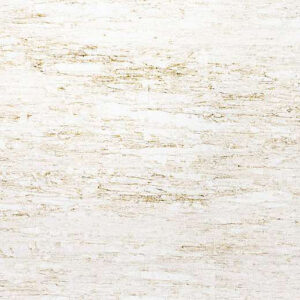
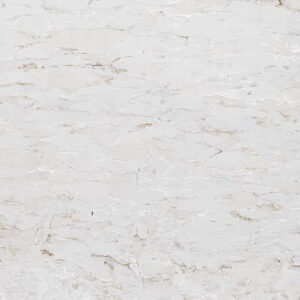
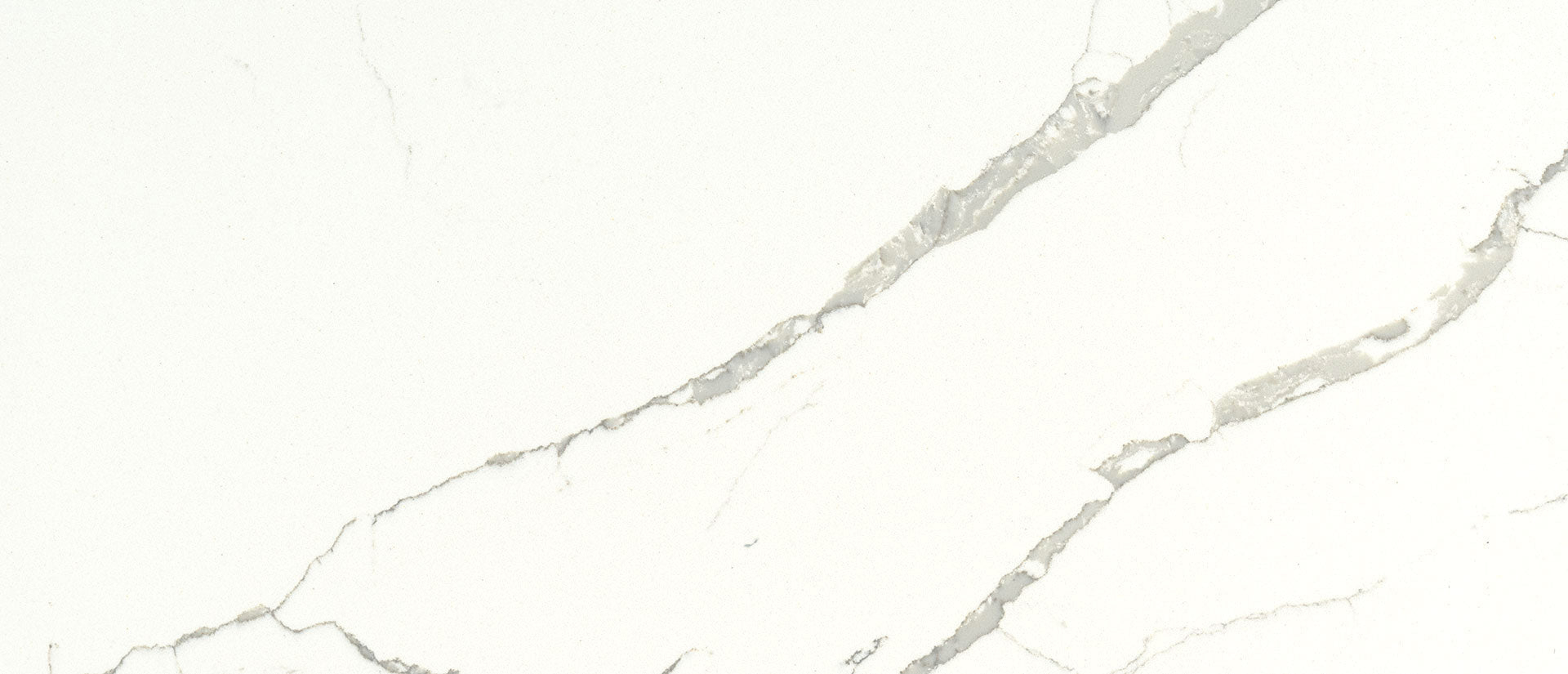
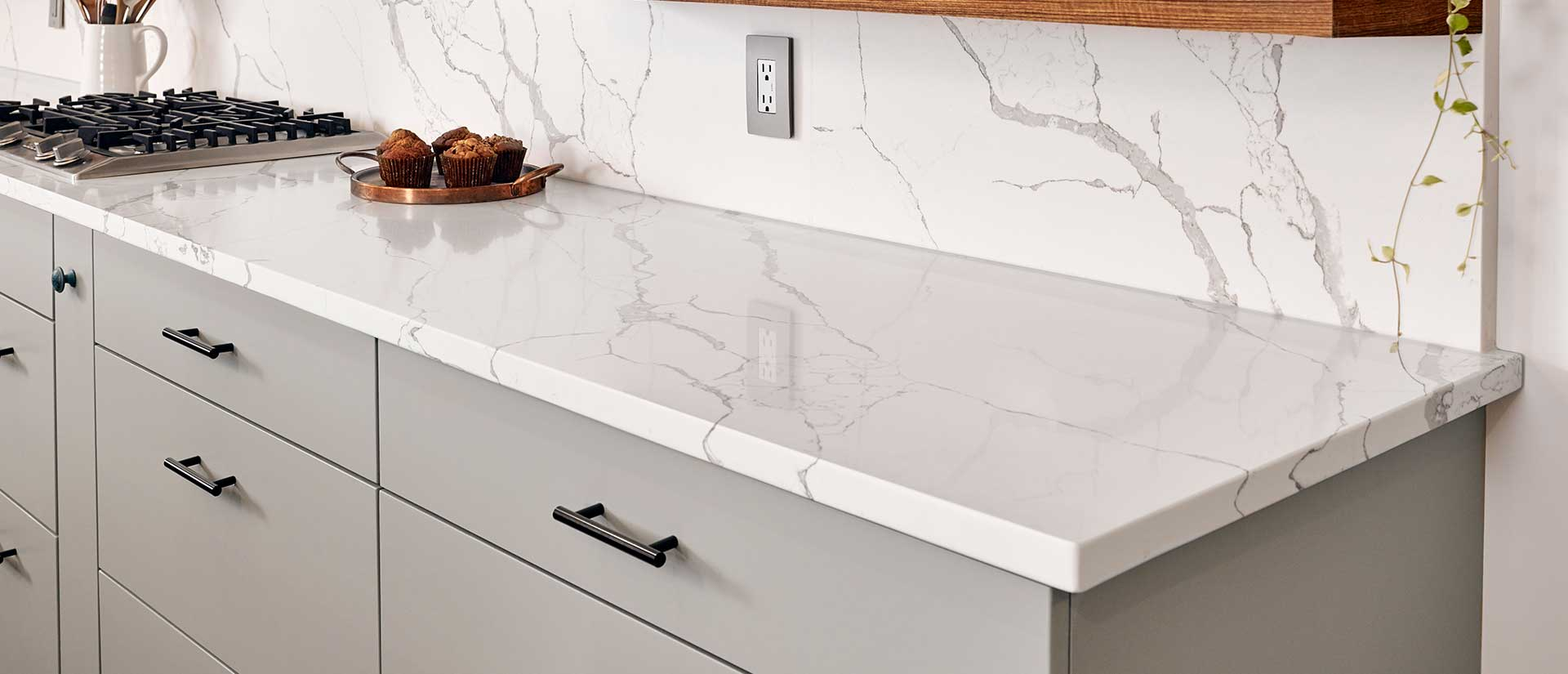
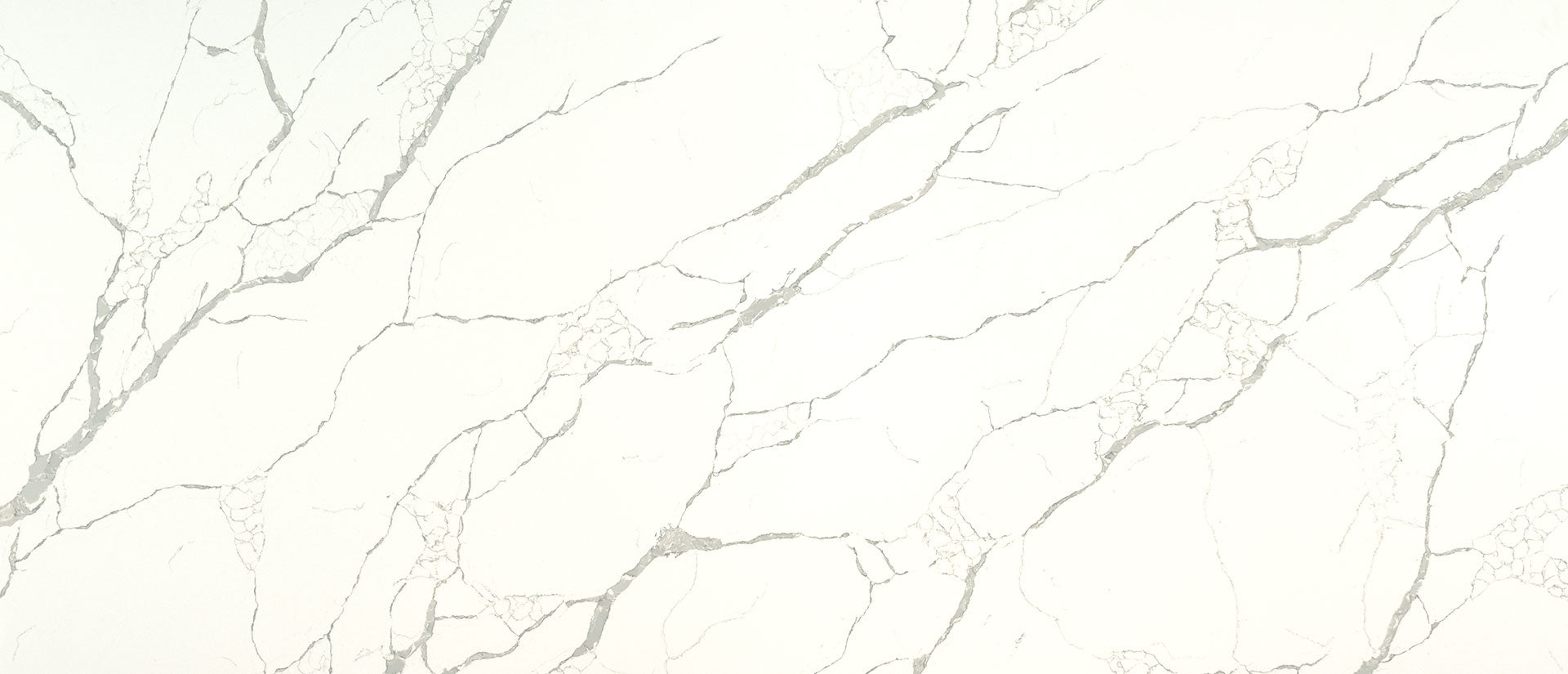
Thanks to its dramatic movement, milky white background, and realistic soft brown veining, Calacatta Laza Quartz has marble look that is a natural choice for waterfall islands, refreshing small spaces and delighting the eye in both classic and modern environments. Durable, easy to clean, and maintenance-free, use this gorgeous marble-look quartz to create show-stopping white quartz countertops, kitchen islands, floors, backsplashes, and accent walls. The choice is yours, and the possibilities are endless! Calacatta Laza Quartz is available in 2 cm and 3 cm slabs.
Calacatta Laza Quartz Specifications
Product: Quartz
Grade: 6
Primary Color: White-Warm
Accent Color(s): Brown/Gray-Light
Thickness: 3 cm and 2 cm available
Finish: Polished
Size: 123″ x 64″, 127″ x 64″, or Super Jumbo 139″ x 80″
Square Feet: 76.28
Price Per ft² (3 cm): $44.31
Price Per ft² (2 cm): $33.32
 Available in the U.S. for fast shipping.
Calacatta Laza Quartz Design Tips
Calacatta Laza Quartz is a white quartz material that features a blend of light and dark taupe with rust vein highlights. It can create a warm and elegant look for any space, especially in kitchens and bathrooms. Here are some design tips for using Calacatta Laza Quartz:
- Pair Calacatta Laza with complementary cabinet colors, such as dark wood, beige, off-white, or blonde wood. These colors can enhance the warm tones and contrast the white background of the quartz.
- Choose a matching or coordinating backsplash, such as the same quartz, a white or gray subway tile, or a warm marble mosaic. These options can create a harmonious and sophisticated look with the quartz countertop.
- Select a suitable lighting scheme that showcases the quartz’s natural shine and texture. You can use pendant lights, under-cabinet lights, or recessed lights to illuminate the quartz and create a cozy and inviting ambiance.
- Add some metallic accents, such as gold, chrome, brushed nickel, or silver, to complement the quartz’s veining and add some sparkle and glamour. You can use these metals for faucets, knobs, handles, or accessories.
For more details, view our recent blog post on Calacatta Laza quartz.