
Description
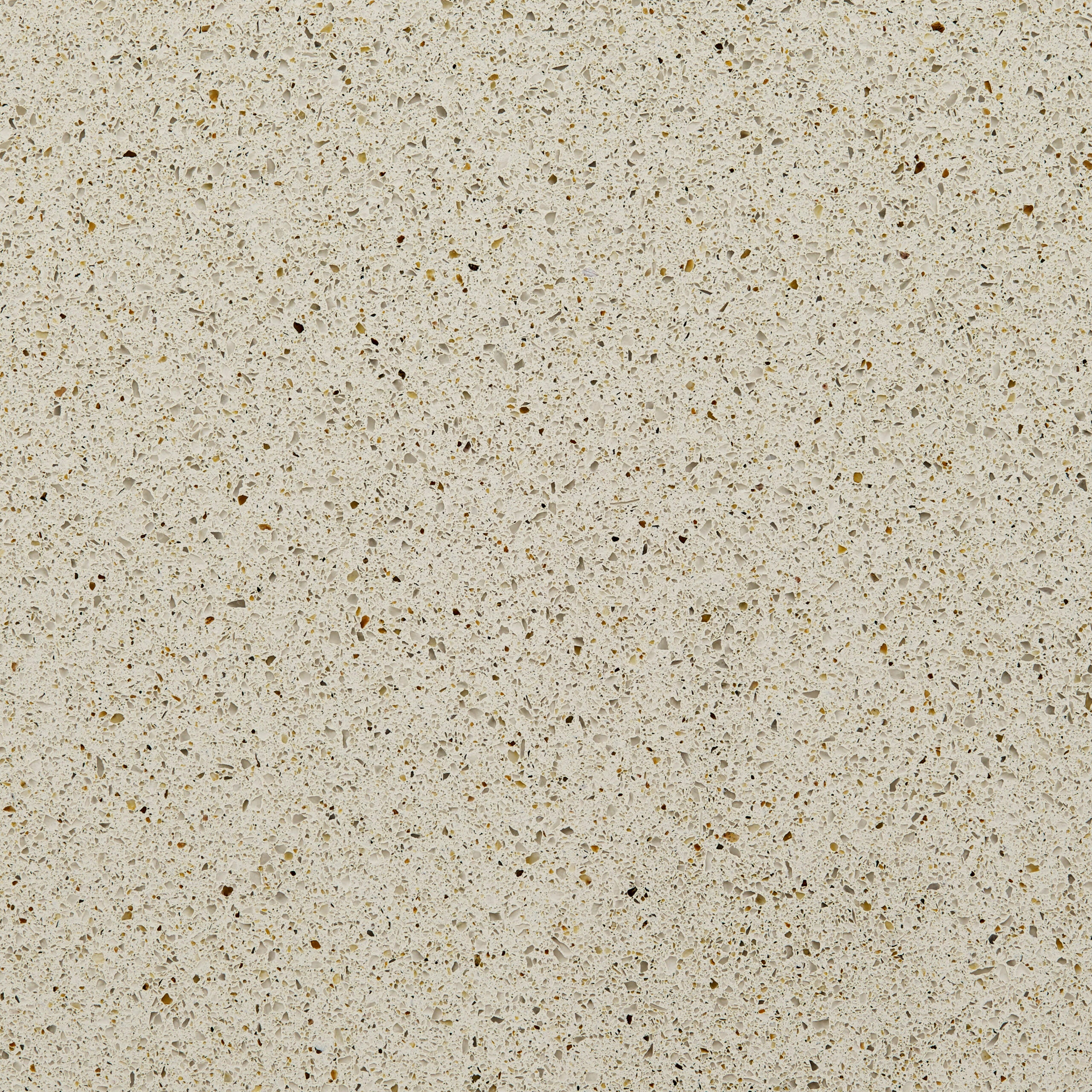
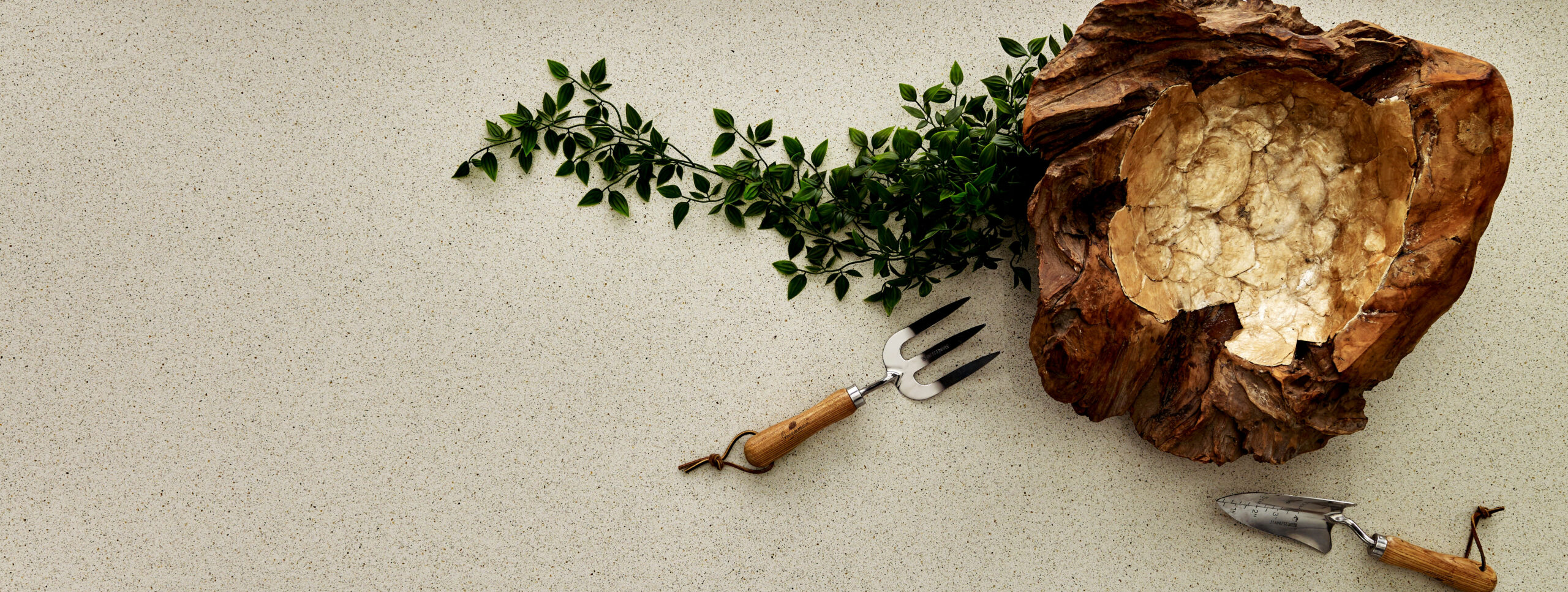
Like a walk on the beach, Bayshore Sand Quartz gives your space a calm and soothing ambiance that’s always in style. Featuring a light beige background and tiny flecks of honey and chocolate browns, this neutral-hued quartz can be used throughout your home to create a unified look synonymous with luxury. Residential or commercial, it makes stunning beige quartz countertops, waterfall islands, bars, backsplashes, accent walls, and floors. Choose this durable stain- and germ-resistant polished quartz for your next project and your elevated style.
Bayshore Sand Quartz Specifications
Product: Quartz
Grade: Group 1
Primary Color: Beige
Accent Color(s): Brown
Thickness: 3 cm and 2 cm available
Finish: Polished
Size: 126” x 63”
Square Feet: 71.67
Price Per ft² (3 cm): $20.14
Price Per ft² (2 cm): $15.20
 Available in the U.S. for fast shipping.
Bayshore Sand Design Tips
1. Color Coordination
- Warm Tones: Bayshore Sand features a light beige background with flecks of honey and chocolate browns. Pair it with warm-toned cabinetry like walnut, off-white, blonde wood, or taupe to create a cozy and inviting atmosphere.
- Complementary Accents: Consider using accents in crisp white and honey hues. The Athena Gold Marble Collection, for example, can complement the quartz beautifully.
2. Applications
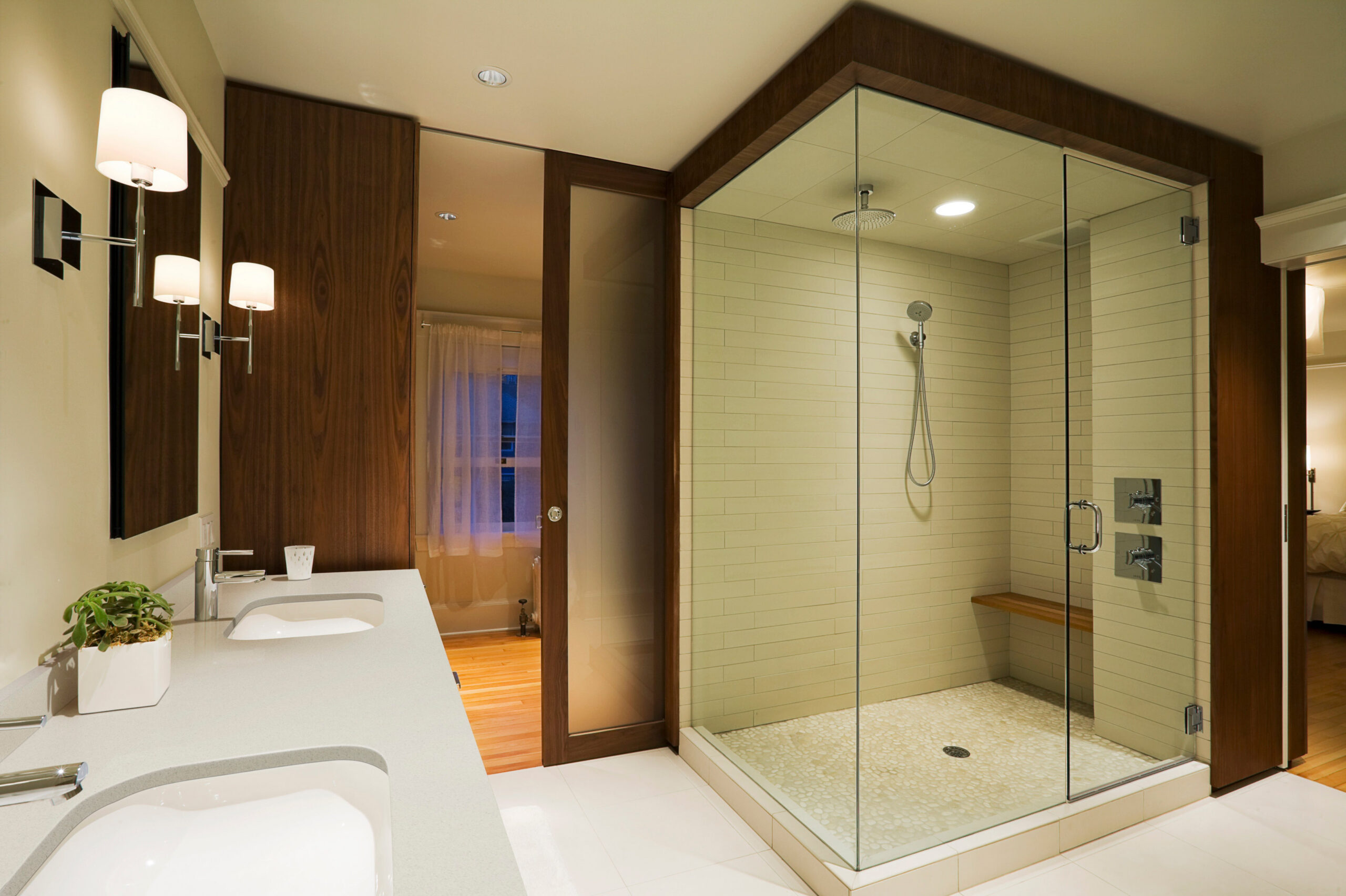
- Countertops and Islands: Use Bayshore Sand for kitchen countertops and waterfall islands to create a unified and luxurious look.
- Backsplashes and Accent Walls: This quartz can also be used for backsplashes and accent walls, adding a touch of elegance to any space.
3. Fixtures and Hardware
- Sink and Faucet Selection: Choose sinks and faucets in nickel-brushed or chrome finishes to complement the quartz and enhance the overall design.
4. Lighting
- Natural and Artificial Lighting: Ensure your space has ample lighting to highlight the subtle flecks in the quartz. Warm lighting can enhance the cozy feel, while cooler lighting can make the space feel more modern.
5. Maintenance
- Easy Care: Bayshore Sand quartz is durable and stain-resistant, making it easy to maintain. Regular cleaning with mild soap and water will keep it looking pristine.