Description
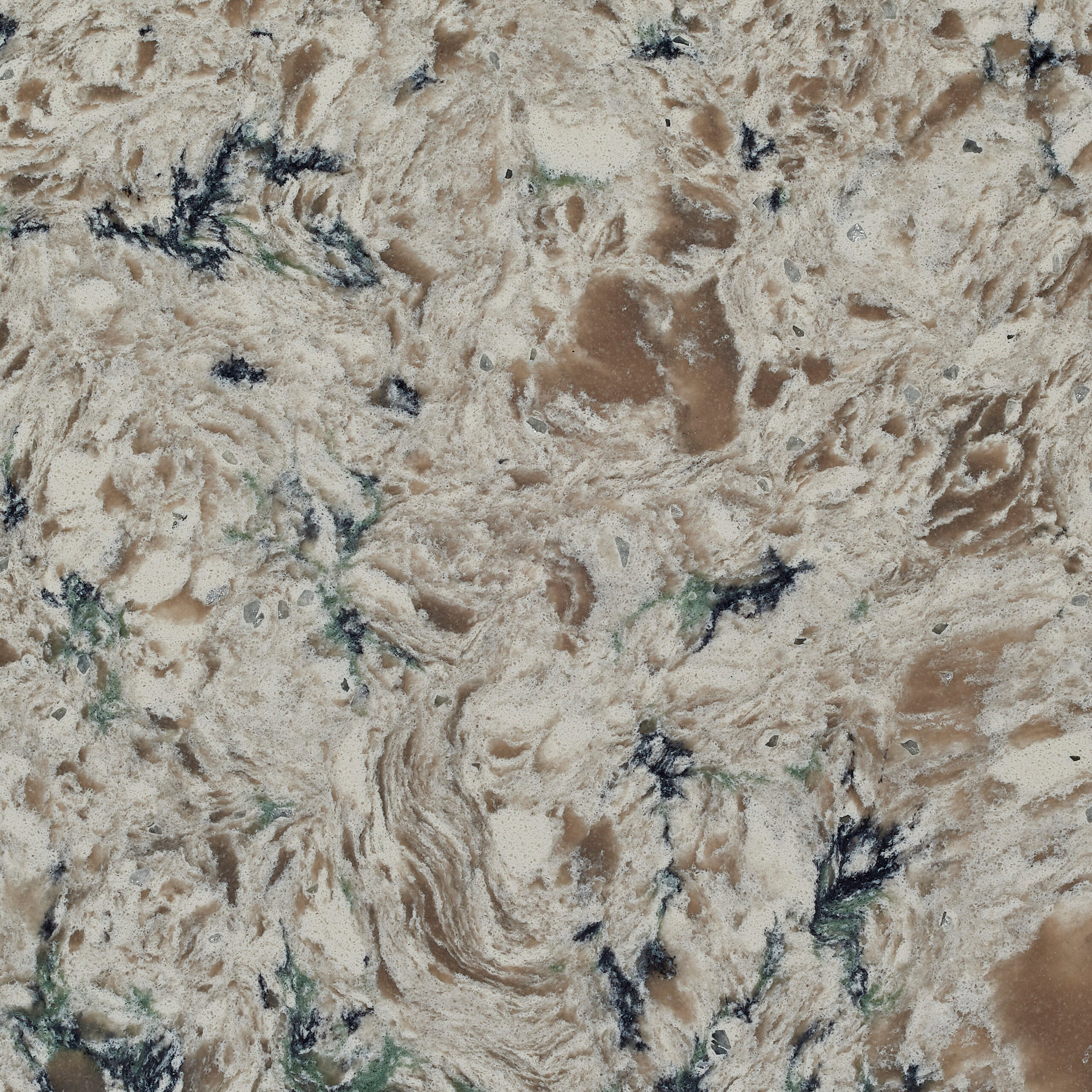
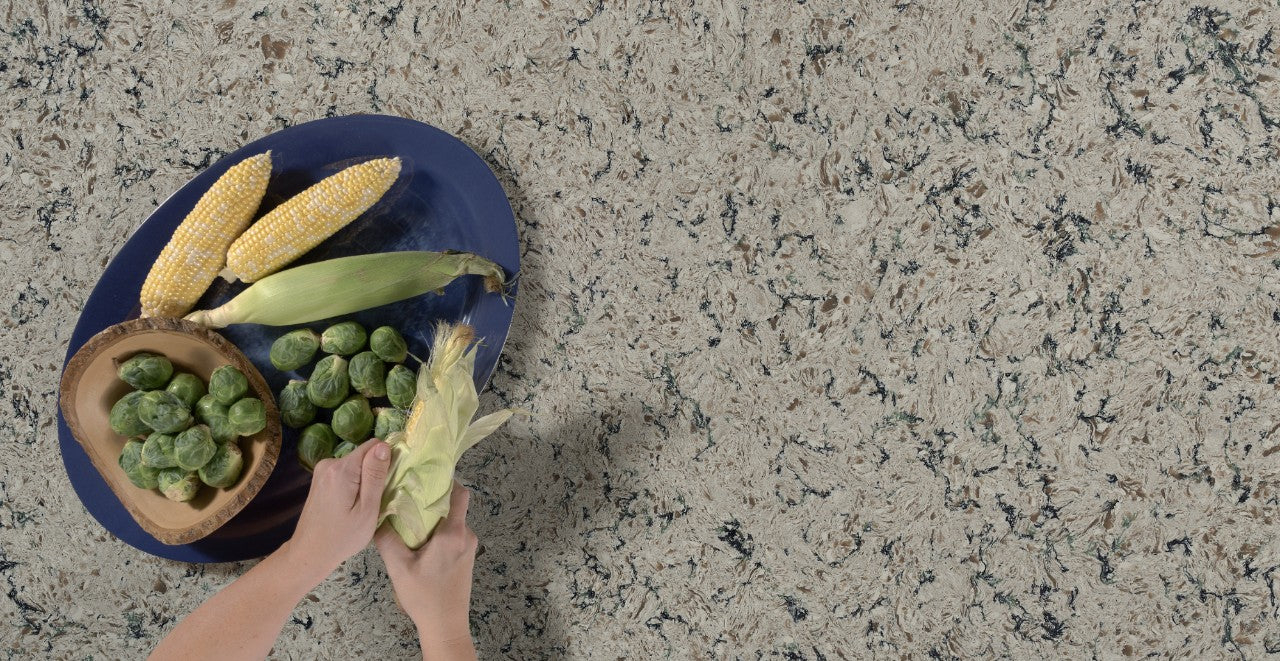
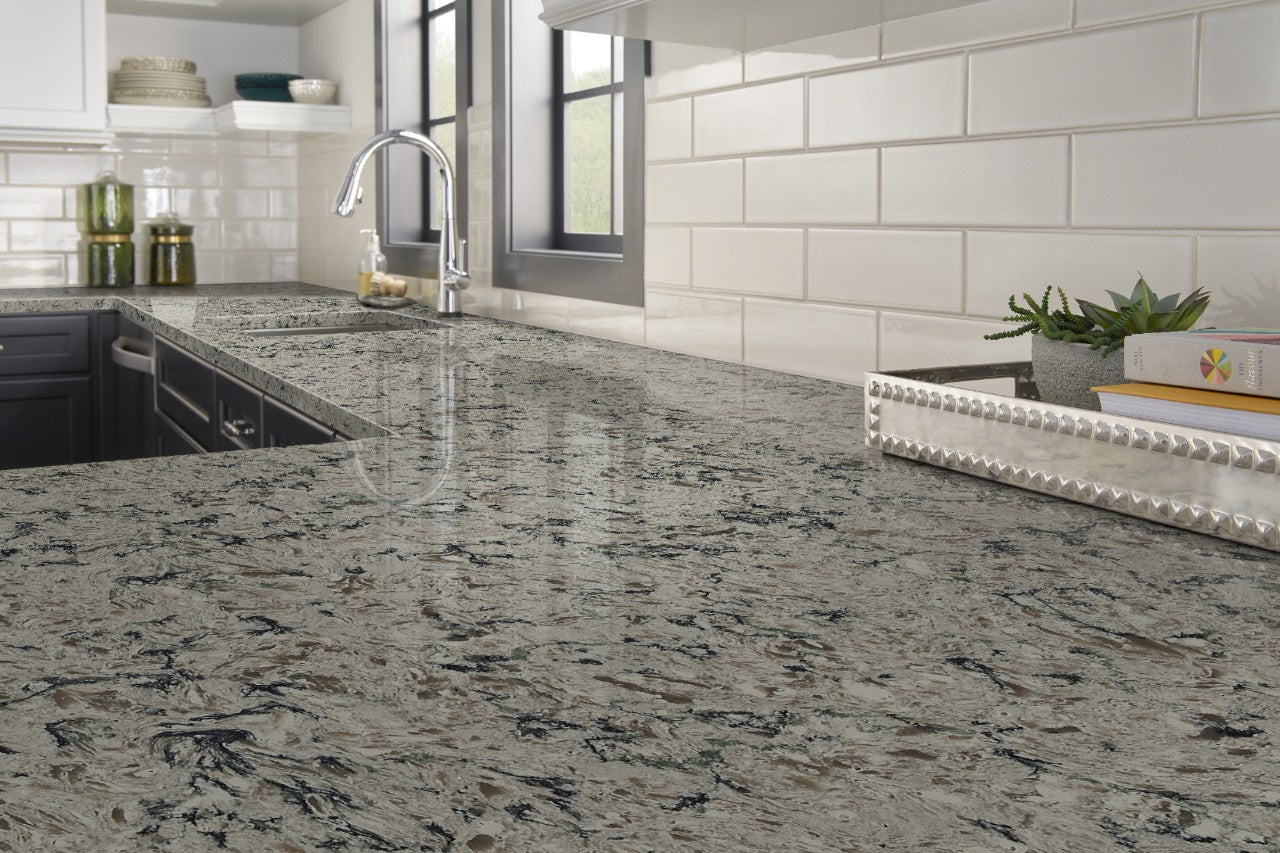
Pacific Salt Quartz evokes the dynamic patterns found in natural stone, with dark gray and tan veins swirling against a soft, creamy backdrop. Whether you’re designing a cozy beach cottage or a sleek urban loft, this quartz captivates with its versatility. Imagine crafting enduring beige quartz countertops, kitchen islands, accent walls, and floors in both residential and commercial spaces—the possibilities are boundless! Available in 2 cm and 3 cm slabs, as well as prefabricated options, it seamlessly complements a wide array of floor and wall tiles from our inventory
Pacific Salt Quartz Specifications
Product: Quartz
Grade: 5
Primary Color: Beige
Accent Color(s): Green, Taupe
Thickness: 3 cm and 2 cm available
Finish: Polished
Average Size: 126″ x 63″
Square Feet: 71.67
Price Per ft² (3 cm): $49.45
Price Per ft² (2 cm): $31.41
 Available in the U.S. for fast shipping.
Pacific Salt Quartz Design Tips
Let’s dive into some design tips specifically for using Pacific Salt Quartz in a modern kitchen:
Countertops and Islands:
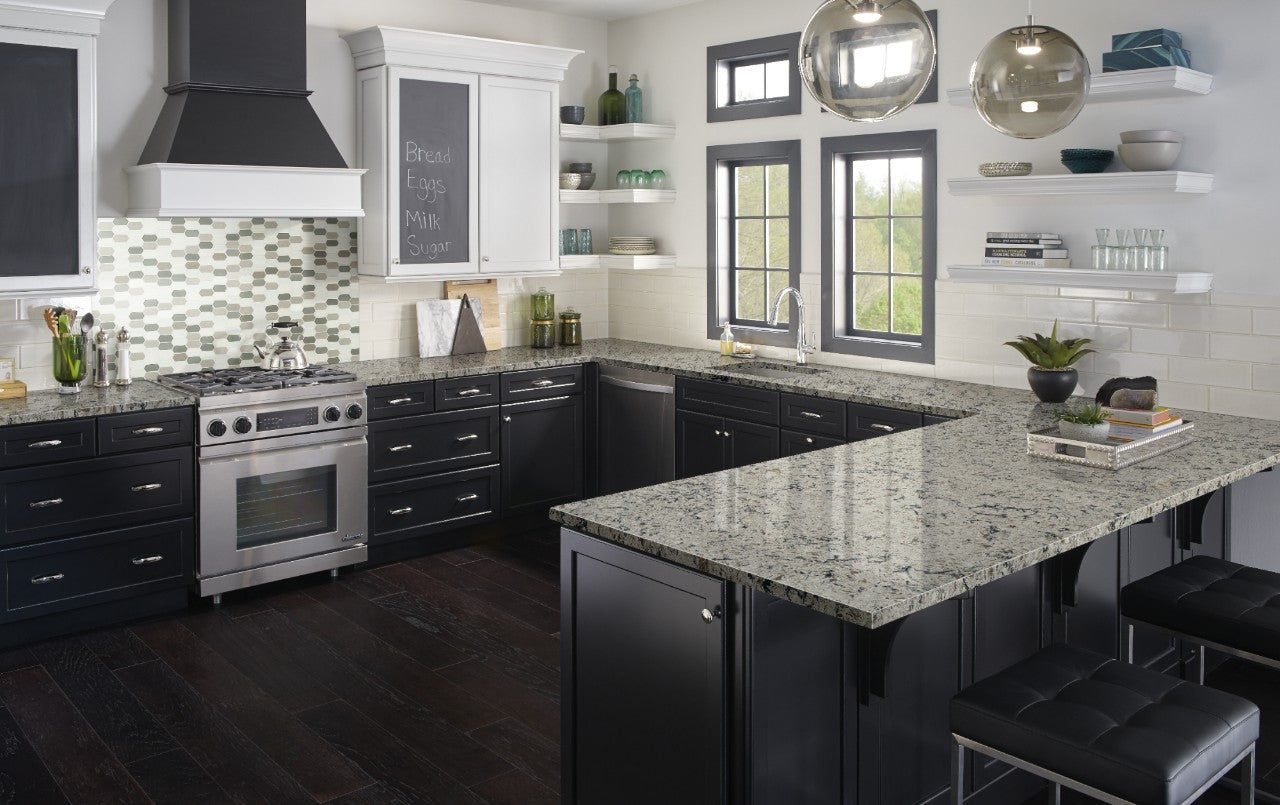
- Contrast with Cabinetry: Pair Pacific Salt Quartz with dark or neutral cabinetry to create a warm contrast. The earthy tones of the countertops harmonize well with wooden elements, adding a touch of nature-inspired elegance.
- Large Kitchen Islands: Use Pacific Salt Quartz for a spacious kitchen island. Its intricate patterns provide a textured visual appeal, making the island a focal point in your kitchen design.
Backsplashes and Accent Walls:
- Subtle Backsplash: Consider using Pacific Salt Quartz as a backsplash. Its creamy background complements other design elements while adding visual interest.
- Accent Wall: Create an accent wall with this quartz near your cooking area or dining nook. The swirling patterns add depth and warmth to the space.
Color Coordination:
- Neutral Palette: Stick to a color scheme of whites, creams, and earthy tones. Pacific Salt Quartz blends seamlessly with these hues, creating a soothing and inviting atmosphere.
- Complementary Colors: Pair the quartz with colorful backsplash tiles, cabinets, or wall paint. Let your favorite color shine alongside the natural beauty of Pacific Salt.